Planning A Seasonal Condo Purchase In Ocean Towers
May 14, 2026
May 14, 2026
A seasonal condo purchase can feel simple at first glance. You see the ocean, the amenities, and the ease of a lock-and-leave lifestyle, and it is easy to picture yourself settling into Boca Raton for the season. But in a building like Ocean Towers, the smartest buyers look beyond the view and into the rules, records, and long-term building health. If you are planning a seasonal purchase here, this guide will help you focus on what matters most before you buy. Let’s dive in.
Ocean Towers at 2800 S. Ocean Blvd. is a long-established condominium association in Boca Raton, with the active association entity dating back to 1972. That matters because you are not buying into a brand-new building with a short operating history. You are considering a mature oceanfront condominium where the association’s management, maintenance, and reserves play a major role in day-to-day ownership.
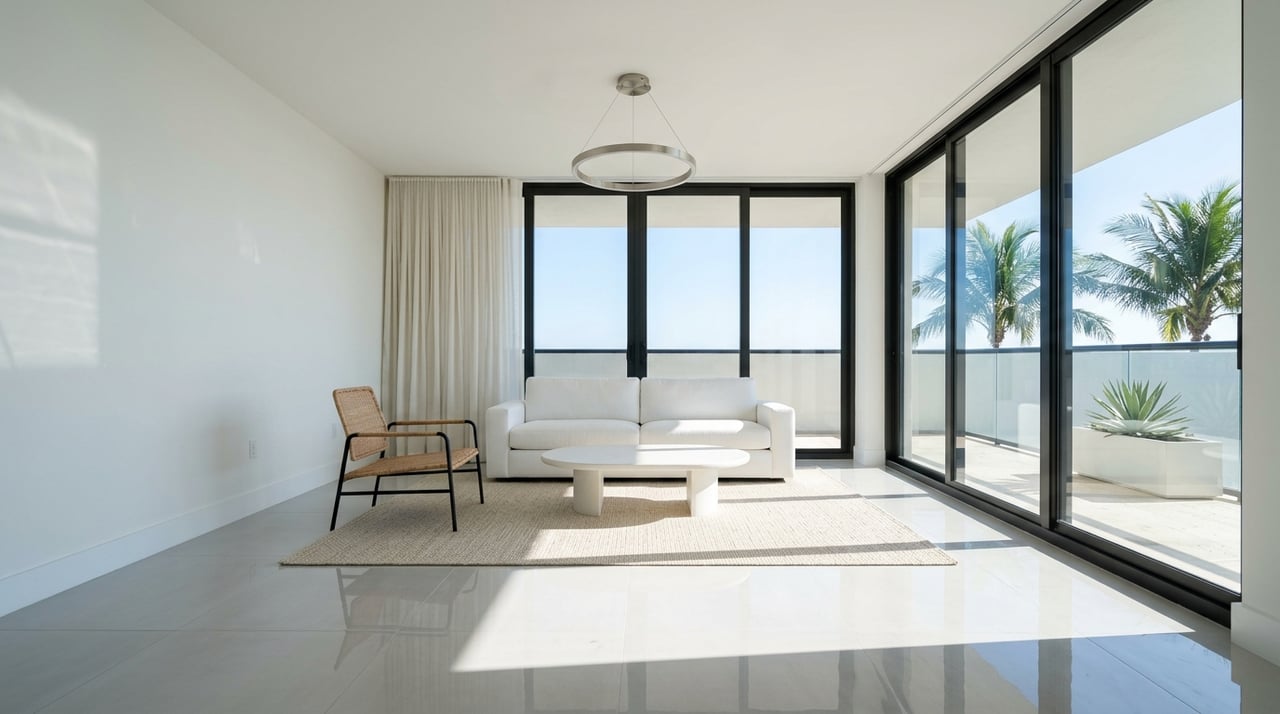
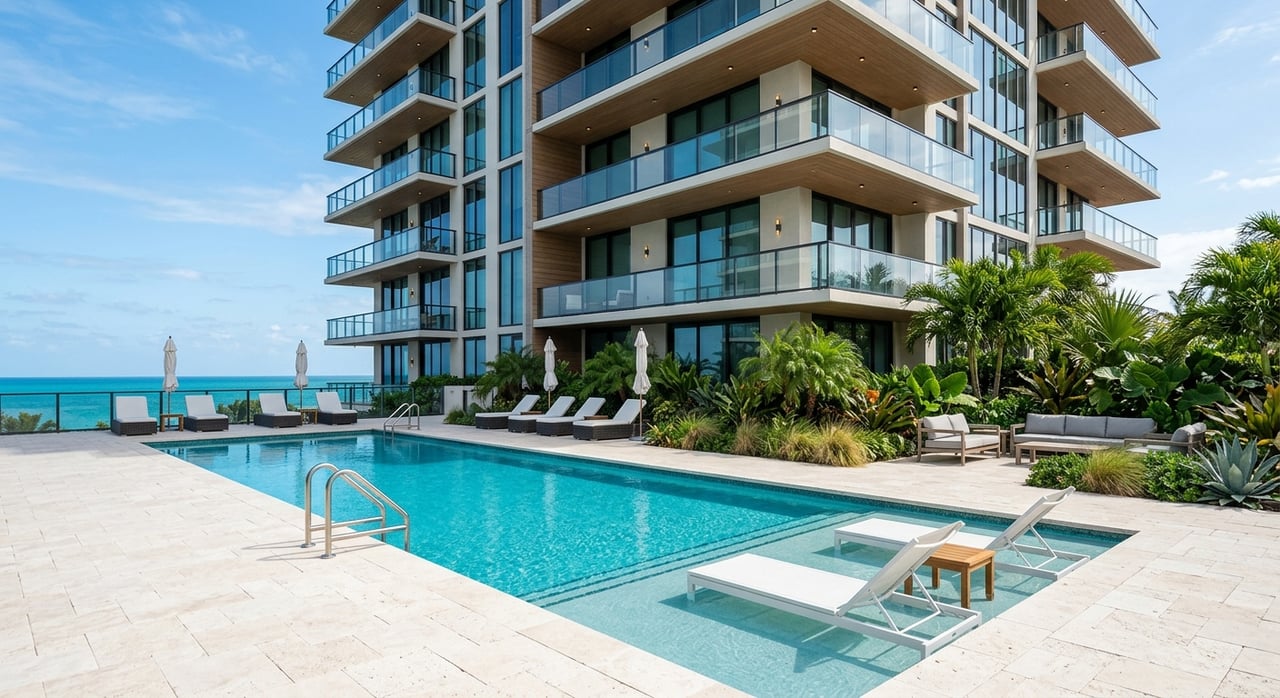
Public listing information points to the features many seasonal buyers want most. Ocean Towers is described as an oceanfront, full-service setting with direct beach access, a security or attended lobby presence, pool and fitness amenities, garage parking, storage, and community-style shared spaces. For many second-home buyers, that combination supports the kind of convenient, low-maintenance ownership that makes seasonal living in Boca Raton appealing.
At the same time, Ocean Towers should be approached as a rules-driven building. Current listing data also points to buyer approval, interview requirements, and no-lease or no-pet restrictions on some units. That means the fit is not just about whether you love the unit. It is also about whether the building’s policies match how you actually plan to use the property.
Before you make an offer, get clear about your own plan. Will this be a pure seasonal residence that stays empty when you are away, or do you want the option to rent it out from time to time? That single decision can shape whether Ocean Towers is the right match.
Some public listings indicate that certain units may have no-lease language and other restrictions that limit flexibility. If rental income or occasional tenant use is part of your strategy, you need to verify that early. In a condo purchase, assumptions create problems, especially when listing details may be incomplete or outdated.
The same goes for day-to-day practical issues. If you travel with pets, expect visiting guests, or need simple move-in and vendor access while you are out of state, those details matter. In a seasonal purchase, the right building is the one that works smoothly when you are there and when you are not.
In Florida, condo buyers receive an important package of documents from the seller. That package includes the declaration, articles of incorporation, bylaws and rules, the most recent annual financial statement and annual budget, the FAQ document, the most recent structural integrity reserve study or a statement that none has been completed, and the milestone inspection summary if applicable.
For contracts after 2024, Florida law also requires specific disclosure language when milestone inspection or structural integrity reserve study reports are required or have been completed. These disclosures are not just paperwork. They help you understand the building’s physical condition, reserve planning, and upcoming financial responsibilities.
For a seasonal buyer in Ocean Towers, this review is essential. Public listing remarks can give you a starting point, but the governing documents are what define your rights, restrictions, and obligations. If there is any question about rentals, pets, interviews, guest use, parking, or move-in procedures, the official documents are the place to confirm it.
One of the most useful documents in a Florida condo purchase is the estoppel certificate. This is the document that gives you a current, closing-stage snapshot of the association and the specific unit.
Under Florida law, the estoppel certificate must include key details such as regular assessments, special assessments, open violations, whether board approval is required for transfer, whether there is a right of first refusal, and insurance contact information. The association must issue it within 10 business days after a written or electronic request, and it generally has a limited effective period of 30 or 35 days depending on how it is delivered.
For a seasonal buyer, this document helps answer the practical questions that matter right before closing. Are there unpaid balances? Are there open violations tied to the unit? Is board approval still outstanding? In a building like Ocean Towers, the estoppel certificate helps turn broad due diligence into a current, transaction-ready picture.
With a 1970s oceanfront condominium, structural and financial diligence matter just as much as finishes and views. Florida law now places major focus on milestone inspections and structural integrity reserve studies for condominium buildings that are three habitable stories or higher.
Milestone inspections are generally required by the end of the year a building reaches 30 years of age, and then every 10 years after that. Structural integrity reserve studies must also be completed at least every 10 years for qualifying residential condominium buildings, and associations existing on or before July 1, 2022 were required to complete the study by December 31, 2025.
These are especially important in an oceanfront setting. Coastal exposure can accelerate wear on major building systems, and the reserve study looks at costly items such as the roof, structure, fireproofing and fire protection systems, plumbing, electrical systems, waterproofing and exterior painting, windows, and exterior doors. The study must also identify remaining useful life, estimated replacement cost or deferred maintenance expense, and a funding plan.
Many buyers start by looking at the monthly condo fee. That is understandable, but in an older coastal building, current dues tell only part of the story. A more useful question is whether the association’s budget and reserves appear realistic for the building’s maintenance needs.
Florida law now limits the ability of unit-owner-controlled associations to waive or underfund reserve items covered by the structural integrity reserve study after December 31, 2024. That means reserve funding may need to increase, and associations may also rely on loans or special assessments when major projects arise.
For you as a seasonal buyer, this changes the conversation. The goal is not just to know what ownership costs are today. The goal is to understand whether concrete restoration, waterproofing, elevators, garage work, pool work, or other capital projects may affect your ownership costs in the near future.
If you are planning a seasonal condo purchase, timing your diligence well can save you stress later. A simple, structured approach works best.
Start with your use plan. Confirm whether you want owner-only seasonal use or any rental flexibility at all. Then ask about pets, guest stays, parking, buyer interviews, and approval requirements.
This is also the right stage to frame Ocean Towers correctly. It may be a great match for a buyer seeking a managed, lock-and-leave oceanfront residence, but less ideal for someone who wants a casual rental-friendly setup.
Request the full condo document package and review it closely. Look at the budget, financial statements, rules, and FAQs. Then review available association records for the latest milestone inspection summary, structural integrity reserve study, inspection reports, and major contracts.
Florida law gives buyers and owners meaningful access to association records, including financial reports, inspection reports, reserve studies, contracts, permits, and other written operational records. This is where you begin to understand how the building is being run, not just how it is marketed.
As closing approaches, focus on the open operational questions. Ask whether any special assessments are in place, whether additional projects are planned, and whether the building is currently in or past major repair work. Also ask how the association handles insurance deductibles, storm preparation, emergency access, and property oversight while owners are away.
For a seasonal owner, those details matter more than many people expect. A beautiful oceanfront condo is most enjoyable when the practical side of ownership feels clear and manageable.
If you are evaluating a unit in Ocean Towers, these are some of the most useful questions to ask:
These questions help you evaluate the full ownership experience. In a seasonal purchase, convenience, clarity, and predictability matter just as much as location.
Ocean Towers can be a compelling choice for a seasonal buyer who wants an oceanfront Boca Raton lifestyle with direct beach access and a more structured, managed condominium environment. But this is the kind of purchase where the rules package, inspection history, reserve planning, and estoppel details deserve as much attention as the view from the balcony.
If you approach the purchase with careful due diligence, you can make a much more confident decision about whether the building fits your seasonal goals. And if you are buying from out of state or balancing a busy schedule, having a local advisor who understands Boca Raton’s oceanfront condo market can make the process far smoother from first showing to closing.
If you are considering a seasonal condo in Boca Raton and want tailored guidance on how to evaluate building rules, disclosures, and ownership costs, connect with Your Luxury Listing Group for a private consultation.
Matthew Bachrad and Danielle Stern joined forces to create a powerful dual partnership. This partnership not only combines their expertise in the field, but also delivers prestigious client servicing. Both from several generations in the real estate industry.