Thinking about a home inside a Boca Raton country‑club community but not sure where to start? You are not alone. Between membership types, fees, and access rules, these neighborhoods can feel complex. This guide breaks down how club living works in Boca Raton, what it costs, what you get, and how those factors influence value so you can move forward with clarity. Let’s dive in.
What country‑club living means in Boca Raton
Boca Raton and greater Palm Beach County offer a wide range of private and semi‑private club communities. You will find single‑family homes, villas, and condos integrated with golf, tennis, dining, fitness, pools, and social programming. Larger name‑brand clubs sit alongside smaller neighborhood clubs, so options span size, style, and budget.
Many communities have two layers of governance. An HOA or condo association manages the neighborhood and common areas, while the club is a separate entity with its own membership rules. In some places, the HOA and club are closely linked. In others, they operate independently. Understanding which entity controls which costs is essential before you buy.
Florida statutes set rules for associations and disclosures. Homeowners’ associations are covered by Chapter 720, and condominiums by Chapter 718. These laws address budgets, reserves, records, assessments, and required information for buyers. In coastal South Florida, flood risk and insurance are also key. Flood zone status can affect premiums and marketability. If you plan to buy a condo, project eligibility rules can influence financing.
Membership models and tiers
Equity vs non‑equity vs hybrid
- Equity clubs: You purchase an ownership interest in the club. Equity may be refundable, partially refundable, or nonrefundable based on the club’s rules. Equity members often vote on governance.
- Non‑equity clubs: You pay for membership access without ownership. Terms for transfer, refunds, or upgrades follow the club’s policy.
- Hybrid structures: Some clubs offer equity and non‑equity options by tier, such as golf versus social.
Common membership tiers
- Golf membership: Full playing privileges, practice facilities, and preferred tee times.
- Social membership: Dining, pools, fitness, and social events with limited or no golf.
- Racquet or fitness tiers: Tennis, pickleball, and wellness access.
- Resident vs non‑resident: Some clubs offer discounted or required tiers for residents, and separate options for non‑residents.
Fee components to budget
- Initiation or entrance fee: A one‑time cost to join. It can be refundable, partially refundable, or nonrefundable.
- Monthly or annual dues: Ongoing operating costs for staffing, maintenance, and programming.
- Food and beverage minimums: Some clubs require a dining spend each month or year.
- Capital or special assessments: One‑time charges for projects like course renovations or clubhouse upgrades.
- Transfer and orientation fees: Fees tied to selling, buying, or switching members.
- HOA or condo fees: Separate from club dues, these cover neighborhood services such as landscaping, gates, or building upkeep.
- Taxes and insurance: Property taxes plus required hazard policies and, where applicable, flood insurance.
Mandatory vs optional membership
In Boca Raton, membership may be mandatory for residents of a given community, or optional. Mandatory programs can collect dues through the HOA or require club membership as a condition of purchase. This structure affects both your monthly carrying costs and your pool of future buyers. Optional programs widen buyer appeal but may reduce the guaranteed amenities package you receive as a resident. Confirm the policy before you write an offer.
Amenities and home types you will find
Amenities snapshot
Most Boca club communities deliver rich recreation and social life. Common features include golf courses, tennis and pickleball facilities, clubhouse dining, event spaces, fitness centers, spas, pools, and children’s programming. Security is typically enhanced through gated entries and patrols. Programming can be a major draw, from member events to classes and clubs.
Property styles and design
You will see a mix of single‑family homes, villas and townhomes, and condominiums. Some neighborhoods also include carriage homes or zero‑lot‑line designs to reduce exterior maintenance. If a community has age restrictions, that will be clearly defined in the governing documents and can influence the buyer pool and financing. Always review rules to understand how a specific home fits your lifestyle and plans.
Location factors that affect value
- Golf frontage vs interior lots: Fairway views often command premiums, but may come with maintenance standards, setbacks, or stray‑ball exposure.
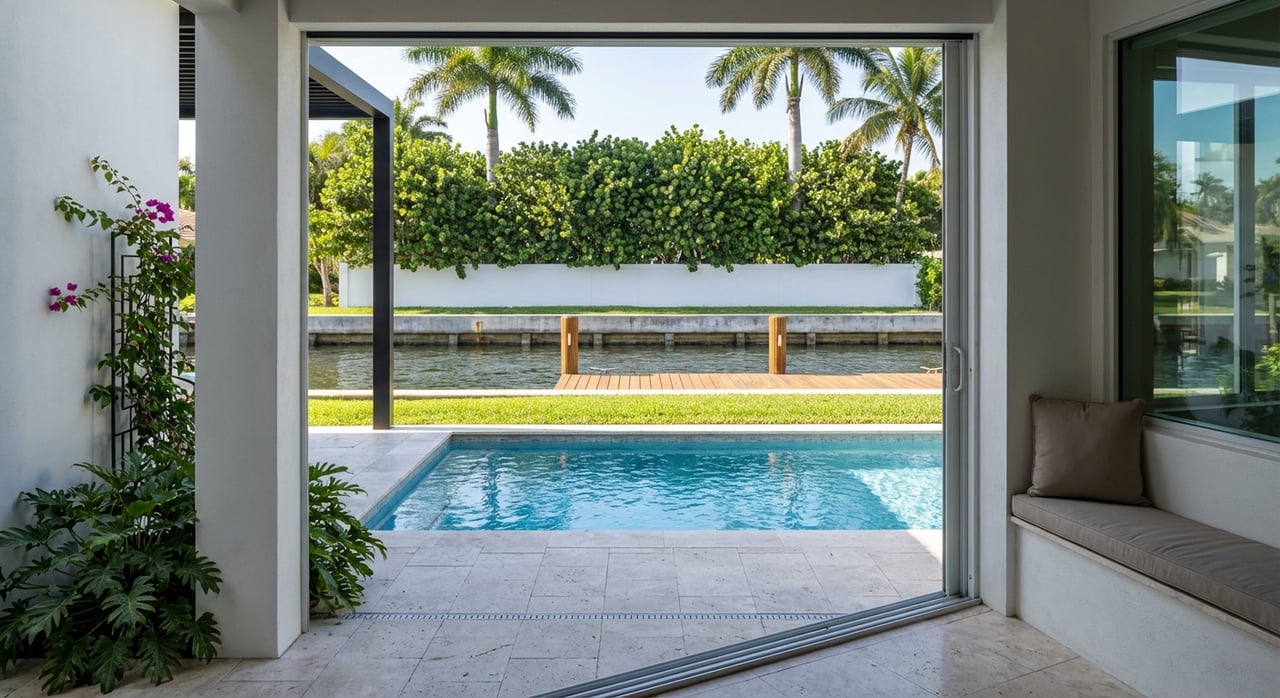
- Water and canal exposure: Lakes and canals are common in South Florida and can enhance views. Insurance needs may differ based on location and flood zone.
- Density and maintenance: Condos and villas shift more upkeep to the association, which translates to higher HOA costs but less hands‑on work for you. Single‑family homes may have higher individual responsibility and more privacy.
- Proximity to club hubs: Being near the clubhouse or sports complex is convenient but can add traffic or event noise.
How membership and fees influence value
Club access can add real lifestyle value, and buyers often pay for it. The size of that premium depends on the club’s reputation, amenities, and how access is structured. At the same time, higher dues and large initiation fees can reduce the buyer pool. Your target market and the home’s carrying costs both matter when it is time to sell.
Appraisal and financing tie back to marketability. For attached housing, project eligibility can affect loan options. Appraisers typically use recent sales of similar homes with comparable access to support value. If a club has unique access rules, the set of truly comparable sales narrows.
Carrying cost is another factor. Lenders may include HOA and club dues when calculating debt‑to‑income ratios. Large special assessments or capital projects can change the ownership cost quickly. Review meeting minutes and budgets to check for anything planned that could impact your costs in the near term.
Lending and appraisal considerations
- Mandatory membership: If dues are mandatory or tied to the deed, expect them to be part of your budget and possibly lender calculations.
- Initiation fees: Lender treatment varies. Some allow payment at closing, while others do not finance initiation fees. Confirm with your lender early.
- Comparable sales: Look for recent sales with similar membership obligations and amenity access to gauge market value accurately.
Rental rules and the investor lens
Many clubs and associations limit rental terms or short‑term leasing. These rules affect investors and any owner who expects to rent part‑time. The details live in the CC&Rs, rules and regulations, and club policies. Always check the documents, and ask about any changes in progress.
Your due‑diligence roadmap
What to request upfront
- Club membership agreement and the current fee schedule, including initiation, dues, dining minimums, and any pending or approved assessments.
- HOA or condo financials, current budget, and most recent reserve study.
- CC&Rs, bylaws, and rules, including rental, guest, pet, and age‑restriction policies.
- Recent board meeting minutes for both the club and the association to spot potential assessments or policy changes.
- Membership transfer policy and any waitlist details. Confirm who pays transfer fees and when.
- Insurance requirements, including flood considerations and association policy limits.
- Recent comparable sales that match the same membership type and access.
Timeline from search to closing
- Early in your search: Ask the listing agent and seller about membership type, whether it is mandatory, and the current fee structure.
- Before you write an offer: Request and review the club agreement, fee schedule, HOA or condo documents, financials, and recent minutes. Share them with your advisor and lender.
- During inspections and contingencies: Have your real estate professional and, if desired, an attorney review CC&Rs and club transfer paperwork. If buying a condo, confirm project eligibility with your lender and appraiser.
- Prior to closing: Verify transfer mechanics, who pays what at closing, and whether fees are prorated. Confirm any required approvals or orientations.
Red flags and green flags
- Red flags: Unclear transfer policies, frequent or large special assessments, inadequate reserves, or inconsistent communication from the club or association.
- Green flags: Transparent fee schedules, documented reserves, well‑planned capital projects, and consistent, accessible records and minutes.
Buying or selling in a club community with confidence
Country‑club living in Boca Raton offers a rich, social lifestyle with access to golf, racquet sports, dining, wellness, and events. The key is knowing how membership structure, fee obligations, amenities, and rules come together for the specific property you are considering. With the right due diligence, you can align the lifestyle you want with a smart long‑term investment.
If you are exploring Boca Raton club communities or preparing to sell a club property, we are here to help you navigate membership, fees, and market positioning with clarity. Request a Private Consultation with Your Luxury Listing Group for tailored guidance and a discreet, results‑driven plan.
FAQs
What does mandatory membership mean in Boca Raton country‑club communities?
- Mandatory membership typically requires you to join the club or pay dues as a condition of owning or residing in the community, and the obligation is often reflected in the HOA or deed documents.
How do equity and non‑equity club memberships differ financially for buyers?
- Equity memberships often include an ownership interest with specific refund or transfer policies, while non‑equity memberships are access contracts with terms set by the club; costs and benefits vary by club rules.
What ongoing costs should I expect beyond mortgage and taxes in a Boca club community?
- Plan for HOA or condo fees, club dues, food and beverage minimums where applicable, potential special assessments, property insurance, and flood insurance if required.
How can flood zones affect insurance and marketability for Boca Raton club homes?
- Flood zone status can influence insurance requirements and costs, which may affect total carrying costs and buyer demand; verify the property’s flood designation early.
Can I rent out a home in a Boca Raton country‑club community, and what should I check?
- Many clubs and associations have rental restrictions or minimum lease terms; review the CC&Rs, rules and regulations, and club policies to confirm what is allowed before you buy.