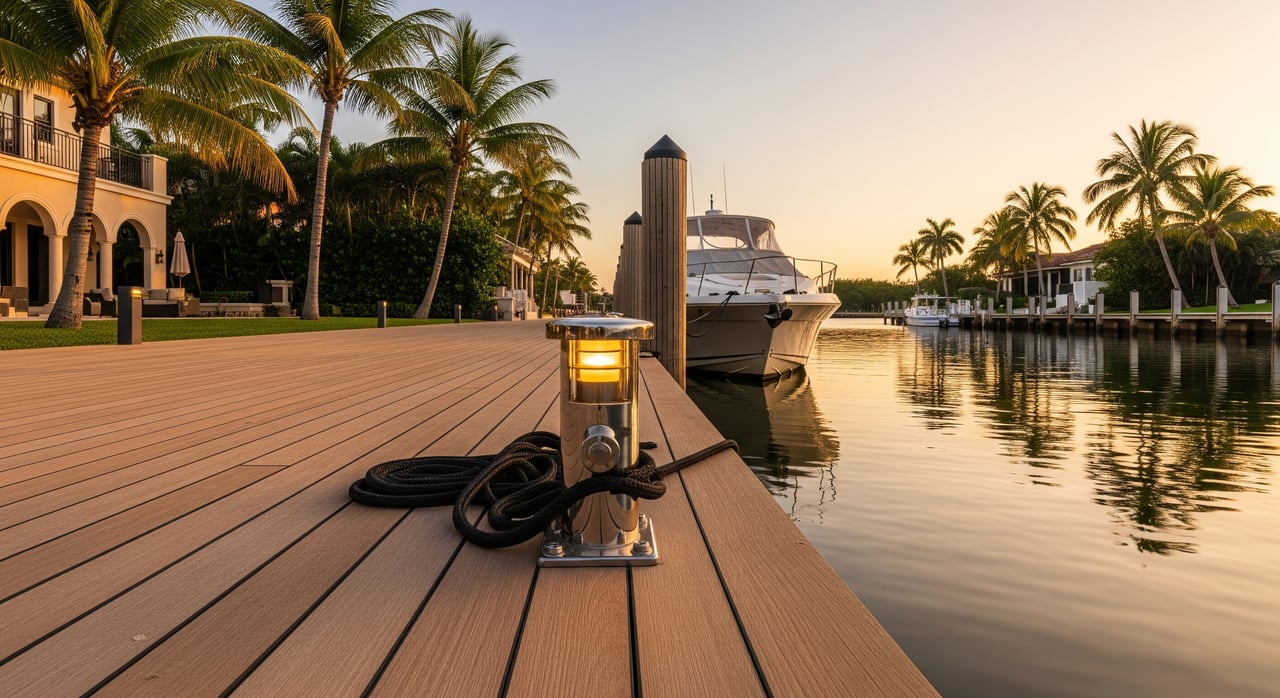
Highland Beach Dock Permitting and Wake Zone Essentials
January 1, 2026
January 1, 2026
Buying on the water in Highland Beach is about more than views and dockside sunsets. It also means navigating permits, wake zones, and a few overlapping rules that affect how you build, use, and insure a dock. If you want hassle-free boating and a protected shoreline, you need clarity before you buy. This guide breaks down what to check, who regulates what, expected timelines and costs, and the practical impact of wake and no-wake zones on daily life. Let’s dive in.
If a dock or boatlift extends waterward of the mean high water line, you should expect state authorization in addition to local building permits. That authorization covers the use of sovereign submerged lands and often comes with conditions. Federal permits may apply too if work occurs in navigable waters or involves dredging or fill.
For many small residential docks, approvals are straightforward when designs avoid sensitive habitats and meet local code. Projects that touch seagrass, require dredging, or alter navigation usually take longer and cost more. Your path depends on location, design, and environmental factors along the Intracoastal.
Florida controls the use of sovereign submerged lands through the Florida Department of Environmental Protection’s Bureau of Submerged Lands and Environmental Resources. When a structure extends waterward of the mean high tide line, state consent, an easement, or a lease is typically required. Florida boating rules, including how local speed and wake zones are established and enforced, are set under Chapter 327 and administered by the Florida Fish and Wildlife Conservation Commission.
The U.S. Army Corps of Engineers regulates work in navigable waters under Section 10 of the Rivers and Harbors Act and activities involving dredge or fill under Section 404 of the Clean Water Act. Many residential docks qualify under general permits, but dredging or navigation impacts often need individual review. Federal agencies also coordinate where aids to navigation or channel safety are involved.
Within town limits, the Town of Highland Beach regulates building, zoning, and shoreline construction. Expect local permits, design standards, setbacks, and inspections. Palm Beach County may add environmental review and floodplain requirements depending on the site and scope.
If you are considering a condominium or HOA property, association documents can shape what is possible. Rules may limit boat sizes, assign slips, and define who owns and maintains docks and seawalls. Board approvals are often required and can run alongside government permits.
The most reliable indicators on the water are posted buoys and markers. You can also confirm current rules through the Town of Highland Beach code, Palm Beach County waterways resources, and Florida Fish and Wildlife Conservation Commission guidance. NOAA charts and U.S. Coast Guard Notices to Mariners show channels and aids to navigation.
Wake zones affect how quickly you can get on plane and how you maneuver near your dock. In tighter areas, you may spend more time at idle speed before reaching open water. Strong wakes from other vessels can damage docks and seawalls, so understanding local enforcement and boat traffic patterns matters for both safety and maintenance.
Smaller docks that fit general permits can move in a few weeks to a few months. If you need dredging or individual permits, plan for several months to a year or more. Fees vary, but overall project costs commonly range from several thousand to tens of thousands of dollars, with mitigation and dredging driving costs higher.
Seagrass protection heavily influences design, pile placement, and shade footprints in the Intracoastal. Manatee and sea turtle protections may limit timing, lighting, or installation methods. The condition of the seawall or bulkhead is critical: failing structures can lead to urgent, expensive repairs and might trigger state or federal review if the work extends waterward of the mean high water line. Dredging near private docks is tightly regulated and often discouraged where it would affect seagrass or adjacent properties.
Unpermitted structures can lead to fines, stop-work orders, removal requirements, or mitigation obligations. Violations of wake or speed restrictions carry civil fines and potential liability if damage or injury occurs. Neighbor disputes often arise over wakes, shading, or perceived navigation obstructions, and can escalate to municipal or county enforcement.
You deserve a smooth, confident path to the water. We guide you through due diligence, connect you with vetted marine contractors, engineers, and surveyors, and coordinate with the Town of Highland Beach, state, and federal contacts to clarify what is feasible before you commit. If you are weighing a condo near Regency Highland or a single-family dock along S. Ocean Blvd, we help you evaluate slip options, association rules, timelines, and costs so you can enjoy the boating lifestyle without surprises.
Ready to talk through a specific property or plan? Reach out to Your Luxury Listing Group to Request a Private Consultation.


Matthew Bachrad and Danielle Stern joined forces to create a powerful dual partnership. This partnership not only combines their expertise in the field, but also delivers prestigious client servicing. Both from several generations in the real estate industry.