Leave a Message

Thank you for your message. We will be in touch with you shortly.

Florida Condo Milestone Inspections in Highland Beach

November 21, 2025

Shopping for an oceanfront condo in Highland Beach and noticing more talk about engineering reports and special assessments? You are not alone. After the Surfside tragedy, Florida tightened safety rules for condominium buildings, and those changes now shape pricing, financing, and timelines across coastal Palm Beach County. In this guide, you will learn what Florida’s milestone inspections are, how they intersect with reserves and assessments, and what to request from an HOA before you buy or sell. Let’s dive in.

What milestone inspections are

Florida’s Condominium Act created mandatory structural “milestone” inspections for buildings that meet certain age and height triggers. These inspections are completed by licensed structural engineers and repeat on a set cycle, commonly every 10 years after the first one. Oceanfront buildings face earlier first inspections than similar inland properties due to marine exposure.

The goal is simple: identify structural issues early, document what needs attention, and prompt repairs before problems grow. Local building departments and the Florida Department of Business and Professional Regulation are part of the oversight and enforcement framework, and associations must coordinate permitting and repairs as needed.

Why this matters in Highland Beach

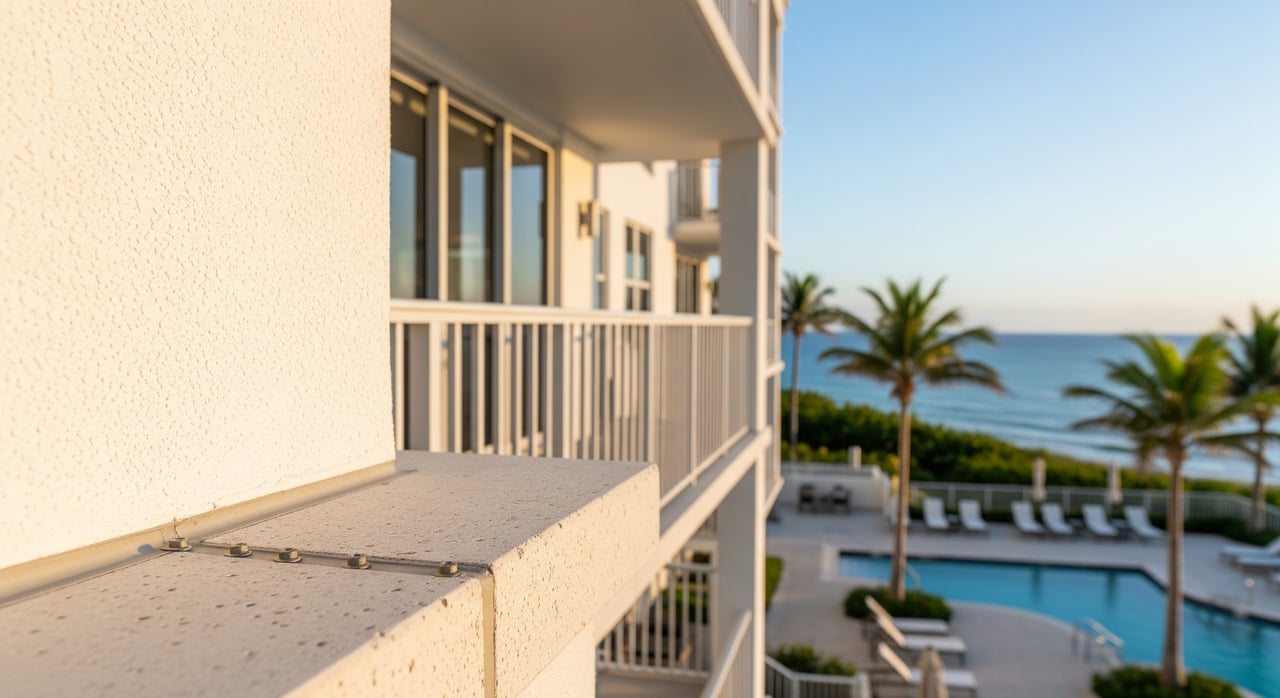
Highland Beach sits directly on the ocean, which means salt air, wind‑borne moisture, and beachfront exposure can speed up deterioration. That often shows up as concrete spalling, rebar corrosion, balcony wear, and parking or pool deck issues. Coastal properties tend to see higher repair scopes and costs compared to similar inland buildings.

If you are evaluating a property in a building from the 1970s to the 1990s, you can expect that milestone timing is already in view or has arrived. For any specific address, confirm the building’s age, last inspection date, and current engineer findings before you finalize terms.

What engineers look at

A milestone inspection focuses on the building’s primary structural systems and related elements that influence safety and durability. Inspectors typically review:

  • Foundations, columns, beams, and slabs
  • Exterior walls, balconies, railings, and waterproofing
  • Parking garages, pool decks, and common‑area structures
  • Seawalls or marine‑exposed elements that affect the site

You should receive a written engineering report with photos, identified deficiencies, recommended repairs, estimated costs, and a timeline that flags urgent items. If immediate risks are found, interim steps like shoring or restricted access may be recommended until repairs occur.

Reserves, assessments, and how costs are covered

Milestone findings connect directly to the association’s reserves, budget, and potential owner costs. Here is how that typically plays out:

  • Reserve study. A recent reserve study should inventory major components, estimate useful life, and project replacement costs.
  • Reserve accounts. Healthy reserves help fund planned capital work. Inspections may reveal needs the current balance cannot cover.
  • Funding options. If reserves fall short, associations may use a mix of tools: special assessments, association loans where allowed, and increases to regular assessments to rebuild reserves.
  • Governance. Approval thresholds for assessments, loans, and budget changes are set by the condo documents and Florida law. Ask to see the relevant sections before you assume timing or voting outcomes.

A practical benchmark many reserve professionals use is the reserve funding ratio, which compares current reserve dollars to the study’s estimated remaining costs. Guidance varies by building, but as a rule of thumb: 70 to 100 percent funded is generally strong, 40 to 70 percent calls for closer attention, and under 40 percent signals higher risk of special assessments.

What to review before you buy or sell

When you evaluate a Highland Beach condo, make the HOA’s structural and financial picture part of your early due diligence. Request these items:

  • Most recent milestone inspection report and any follow‑up engineer or contractor reports
  • Current reserve study and the latest update
  • Current budget, year‑to‑date financials, and reserve balances
  • Notices of pending or approved special assessments, with meeting minutes and voting results
  • Board and membership meeting minutes for the past 12 to 36 months related to repairs, funding, and litigation
  • Insurance certificates that show master policy limits, deductibles, and coverage types, including wind or hurricane
  • Disclosures on pending litigation and any association loans
  • Condo declaration and bylaws sections on approval thresholds for assessments and loans
  • Copies of permits and contracts for ongoing or upcoming major work

If you are listing a unit, assembling this packet up front can build buyer confidence and reduce renegotiations.

Smart questions to ask the HOA or manager

Once you have the documents, confirm the basics and surface any near‑term surprises:

  • When was the last milestone inspection, and when is the next scheduled?
  • What urgent repairs were identified, what is the estimated cost, and how will they be funded?
  • What is the reserve funding ratio, and what large projects are forecasted in the next one to three years?
  • Have special assessments or loans been approved in the past 24 months?
  • Are insurance premium increases or coverage changes expected that could affect assessments?
  • Has the association received any code enforcement notices from local authorities?

Clear, written answers help you price properly, set expectations with lenders, and plan your closing timeline.

Red flags that warrant caution

You do not have to be an engineer to notice risk signals. Watch for:

  • A milestone report that calls for extensive repairs without a funding plan
  • Large or imminent special assessments with short payment windows
  • Very low reserves compared to near‑term project needs
  • Frequent contractor turnover or unpermitted work on major projects
  • Significant litigation tied to structural defects or contractor disputes
  • Insurance nonrenewal risk, very high deductibles, or exclusions impacting structural coverage

Any of these may affect pricing, financeability, and insurance availability.

Insurance and financing considerations

In coastal Palm Beach County, insurance availability and cost are central to condo viability. Lenders are paying closer attention to structural reports, reserve health, and whether repairs are current. Some will require written evidence that the association is addressing engineer‑identified items and has a credible funding plan. Master policy deductibles and coverage limits also influence lender underwriting and owner exposure, so review the declarations carefully.

If major repairs are in motion, be ready for extra documentation requests from both your lender and the title company. This is common and solvable with organized records.

Timing, negotiations, and closings

Milestone findings can change deal terms and timelines. Here are typical impacts and tools you can use:

  • Price and credits. Buyers often seek price adjustments or credits at closing when reports show near‑term capital work. Sellers can get ahead by pricing with known assessments in mind.
  • Escrow holdbacks. For defined scopes of work, holdbacks can bridge the gap between inspection results and closing.
  • Contingencies. Include contingencies for review of engineer reports, budgets, and confirmation that no extraordinary assessments will be levied before closing.
  • Scheduling. Large projects that require permits, contractor selection, or board votes can delay closings. Plan accordingly when your building is in the middle of repairs.

The more you align expectations early, the smoother your path to closing.

Local realities in Highland Beach

The Town of Highland Beach and Palm Beach County building departments are your authorities for permits and enforcement. Associations coordinate with these offices to approve work and schedule inspections. For oceanfront properties, long‑term planning should also consider sea‑level rise, higher groundwater, and beach dynamics when forecasting costs for seawalls, garages, and site elements.

If you are exploring a building such as Villa Magna or a similar oceanfront tower, verify the build year, inspection status, and current engineering recommendations before you finalize pricing or terms.

Practical next steps

If you are serious about a Highland Beach condo, take these steps early:

  • Request the milestone report, reserve study, budget, and insurance details as part of your initial document package
  • Ask the manager for a summary of urgent items, estimated costs, and the funding plan
  • Coordinate with your lender on any extra condo documentation they require
  • Check local permit and code records for major projects
  • Consider a consultation with a local structural engineer if the reports are complex or if you need a second opinion
  • Engage HOA counsel for questions about assessment approvals or voting requirements

A clear paper trail and a realistic plan will help you buy or sell with confidence.

Work with a team that knows the coast

Oceanfront condominiums in Highland Beach can deliver exceptional lifestyle value, but the details matter. You want a team that understands how milestone inspections, reserves, and insurance shape today’s market, and who can navigate the documents, questions, and negotiations that follow. If you are weighing two similar residences, a stronger association profile can be worth far more than a cosmetic upgrade.

Ready to evaluate a specific building or prepare your unit for market? Request a Private Consultation with Your Luxury Listing Group, and we will guide you through document review, lender coordination, and a clear strategy for your next move.
FAQs

What is a Florida condo milestone inspection?

  • A milestone inspection is a licensed engineer’s structural review of a condominium building that identifies deficiencies, recommends repairs, estimates costs, and sets timelines, with follow‑up inspections on a set cycle.

How do oceanfront Highland Beach buildings differ?

  • Marine exposure accelerates wear on concrete and metal, which often leads to earlier first inspections, larger repair scopes, higher insurance focus, and closer lender scrutiny compared to inland buildings.

Which HOA documents should I request before buying a condo?

  • Ask for the latest milestone report, reserve study, budget and reserve balances, assessment notices and minutes, insurance certificates, litigation disclosures, governing documents on approvals, and permits or contracts for major work.

How do reserve levels impact my total cost of ownership?

  • Strong reserves reduce the chance of special assessments and support stable monthly fees, while low reserves increase the risk of special assessments and can pressure financing or resale value.

Can a pending inspection or repair delay closing on a unit?

  • Yes, large projects or unresolved inspection findings often require extra documentation, board votes, permits, or lender conditions that can extend timelines.

What do lenders typically want on a coastal condo loan?

  • Lenders often ask for recent engineering reports, proof of adequate reserves or a credible funding plan for repairs, and details on the master insurance policy and deductibles.

Who performs the inspection and what do I receive?

  • A licensed structural engineer completes the inspection, and the association receives a written report with photos, findings, repair recommendations, cost estimates, and timing, including any urgent measures.

What should sellers do before listing a condo in Highland Beach?

  • Gather the full HOA document set, confirm inspection and funding status with the manager, price with known assessments in mind, and plan for lender and buyer documentation requests to avoid delays.

Work With Us

Matthew Bachrad and Danielle Stern joined forces to create a powerful dual partnership. This partnership not only combines their expertise in the field, but also delivers prestigious client servicing. Both from several generations in the real estate industry.