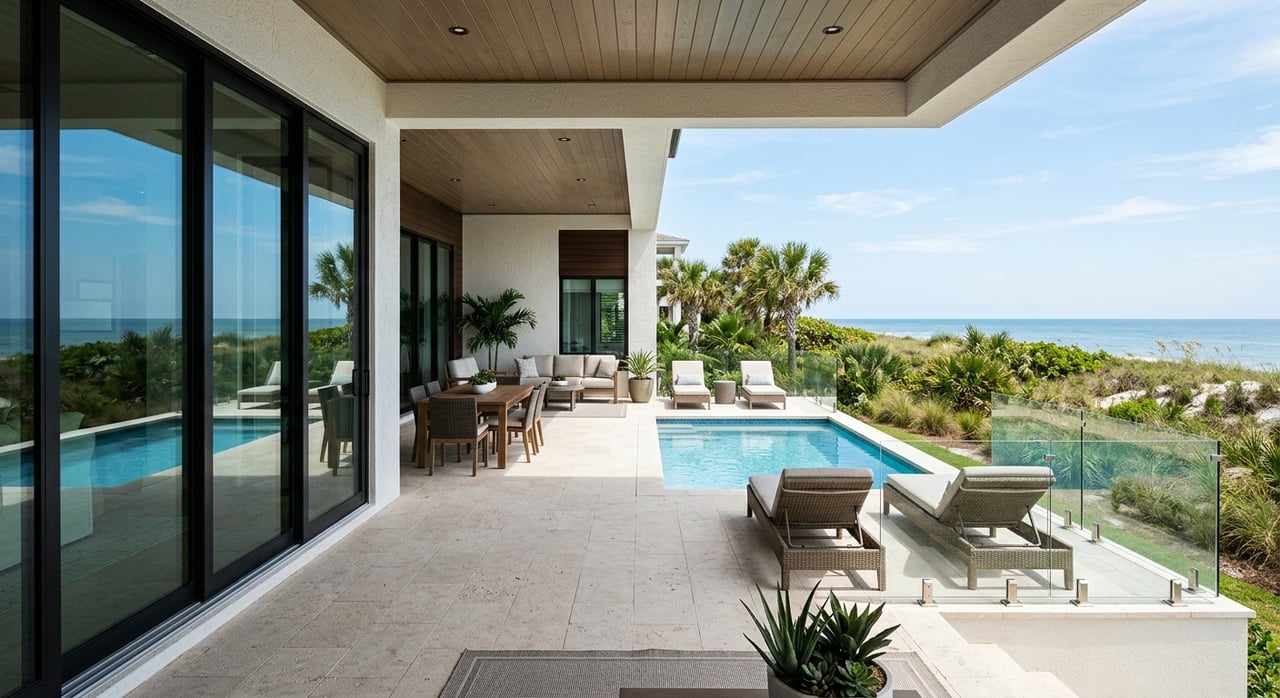
Your Guide to the Palm Beach Oceanfront Lifestyle
May 21, 2026
May 21, 2026
What if the real appeal of Palm Beach oceanfront living is not the resort scene at all? If you are considering a condo, townhouse, or estate here, it helps to understand that daily life on the island is shaped less by hotel amenities and more by preservation, routine, and access to the things you will actually use. This guide walks you through what living on Palm Beach’s oceanfront really feels like, from beach mornings and walkable dining to seasonal culture and easy mainland convenience. Let’s dive in.
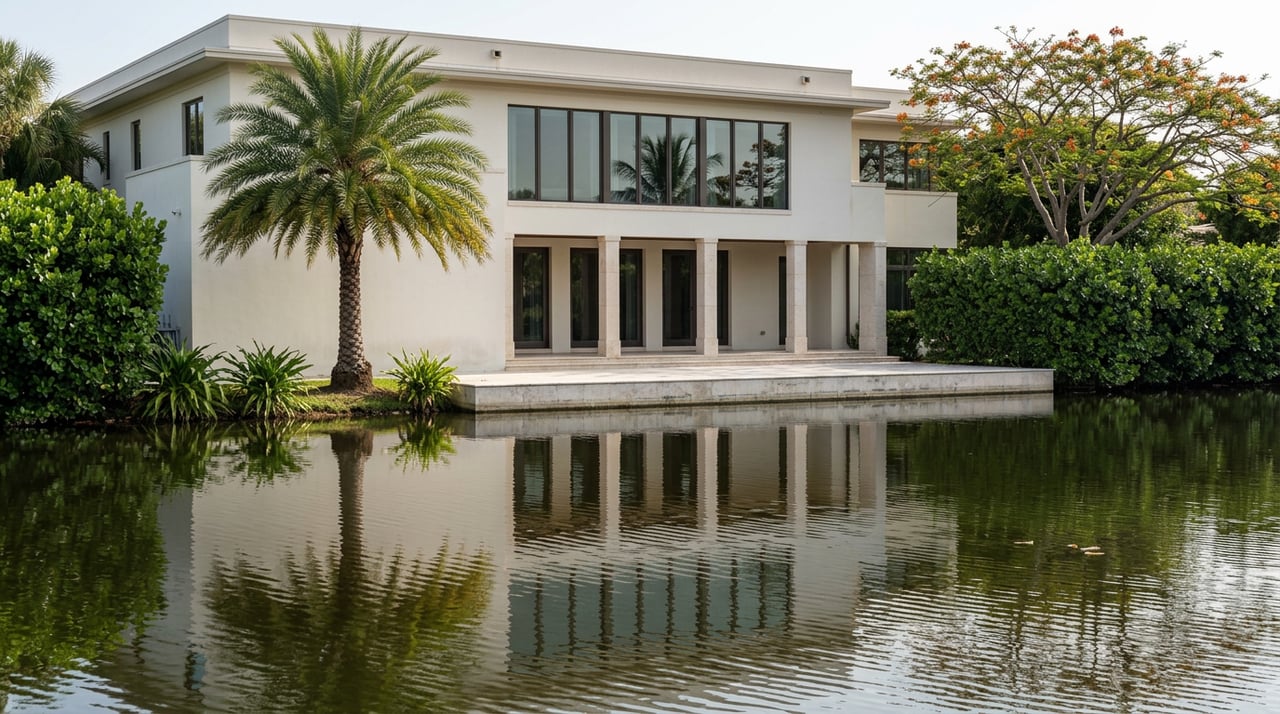
Palm Beach stands apart because the island is intentionally managed to preserve a residential, polished, small-town character. According to the Town of Palm Beach, planning, zoning, and building oversight focus on protecting the island’s beauty, architectural character, history, and historic commercial districts.
For you as a buyer, that matters because the setting feels curated and consistent. Instead of a long resort strip, you get a place where homes, beaches, neighborhood routines, and a few concentrated shopping and dining areas shape the experience.
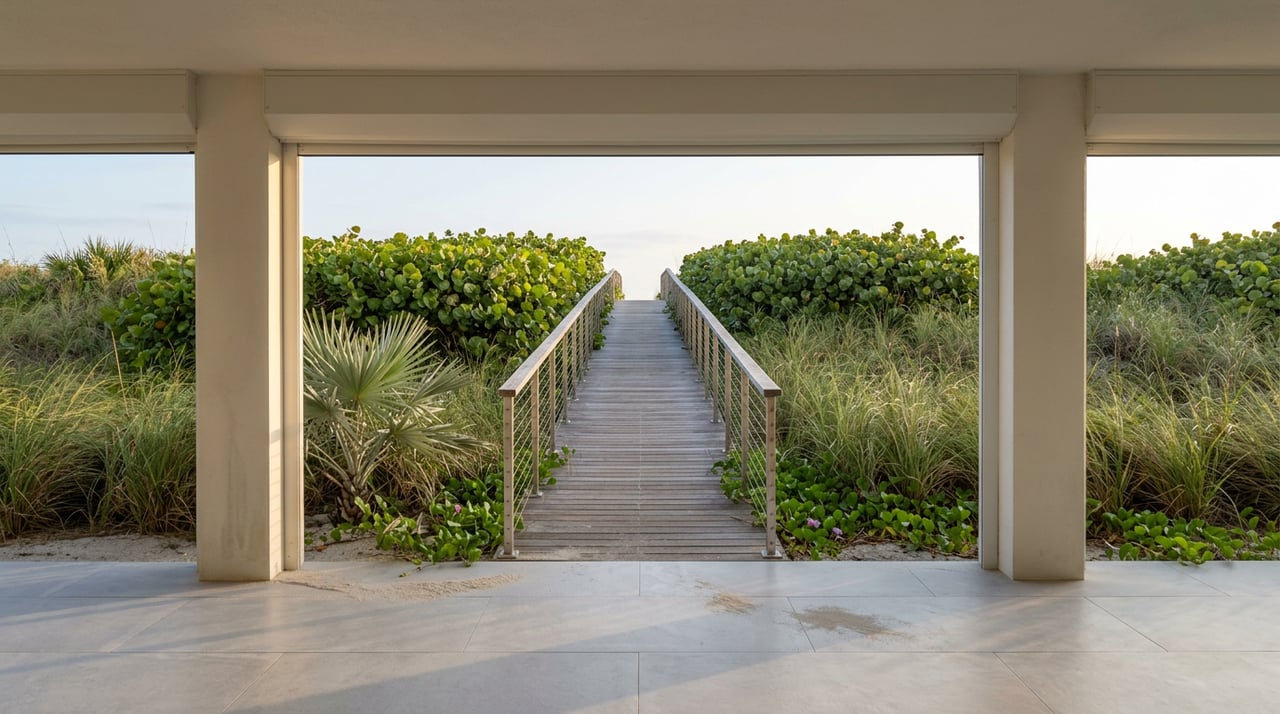
One of the biggest differences between visiting Palm Beach and living there is how naturally the beach fits into everyday life. The Town says the island has 12 miles of beachfront, with two staffed public beaches at Mid-Town Municipal Beach and Phipps Ocean Park.
The public beach is open from sunrise to sundown, and Ocean Rescue operates every day of the year. Lifeguards are on duty from 9:00 a.m. to 6:00 p.m., which supports a beach culture built around regular use, not just special occasions.
If you picture your mornings starting with a shoreline walk or a quick stop by the water, that rhythm is realistic here. Oceanfront living in Palm Beach is not only about views from your residence. It is also about how easily the beach becomes part of your week.
Beach time is only part of the outdoor lifestyle. The island also features a nearly six-mile Lake Trail stretching from the Royal Park Bridge to the North End.
The Town notes that bikers, joggers, and walkers use the trail regularly. For you, that means there is another scenic, active route built into everyday island life, even when you are not spending time on the sand.
A major part of Palm Beach living beyond the resorts is how compact and accessible the island’s main commercial areas feel. You do not need to depend on hotel restaurants or amenities to enjoy a full lifestyle here.
The Town’s resident guide notes that dining options range from quick coffee and snacks to fine dining. It also identifies Royal Poinciana Way, Worth Avenue, and The Royal Poinciana Plaza as key island destinations for restaurants and shopping.
Worth Avenue is one of the clearest examples of Palm Beach’s everyday livability. Its official information describes the avenue as running three blocks from the Atlantic Ocean to the Intracoastal Waterway, with luxury boutiques, outdoor dining, and a broad mix of shopping and dining.
It is also active year-round, with the side streets known as the Vias adding one-of-a-kind boutiques and additional outdoor dining. For you, that means Worth Avenue is not just a place to visit once for the photo. It is part of the island’s daily social and retail fabric.
A restaurant like Renato’s, listed on Worth Avenue as an intimate dining room with private wine-cellar dining, helps illustrate the point. The island’s dining scene feels refined and residential at the same time.
The Royal Poinciana Plaza offers a different but equally important part of island life. Its official site describes it as an island icon organized around two courtyards with shopping and dining, and it notes that the courtyards and patios are dog-friendly.
That courtyard layout gives the plaza more of a gathering-place feel than a standard retail center. If you are looking for an oceanfront lifestyle that still feels connected and walkable, places like this help define the day-to-day experience.
Palm Beach is not only about sun and water. The island also has a meaningful cultural rhythm, especially during the winter and spring months.
The Society of the Four Arts is one of the area’s major cultural anchors. It reports offering hundreds of programs, including concerts, art exhibitions, workshops, films, and children’s programs, with most of that programming concentrated from November through May.
Its 10-acre campus along the Intracoastal includes a performance hall, art gallery, education center, library, children’s library, and sculpture gardens. The sculpture gardens are open daily with no admission charge.
For you, this means the island’s busier season is about more than social calendars. It is also supported by a real cultural framework, which gives Palm Beach a fuller lifestyle than the resort label suggests.
If you want even more options, major cultural venues in West Palm Beach are nearby. The Norton Museum of Art and the Kravis Center add museum and performing arts access just across the bridge.
That closeness expands your options without changing the island lifestyle itself. You can enjoy a quieter residential setting while still staying near larger regional attractions.
One reason Palm Beach works so well for full-time and seasonal living is that mainland convenience stays close. The island connects to West Palm Beach by the Flagler Memorial Bridge, the Royal Park Bridge, and the Southern Boulevard Bridge.
The Town notes that these bridges open twice per hour for marine traffic, with a reduced opening schedule during weekday peak hours. For residents, that bridge pattern simply becomes part of the normal pace of life.
For many luxury buyers, especially second-home owners, airport access matters. Palm Beach International Airport is only 3.5 miles west of Palm Beach and adjacent to I-95.
According to the airport, it serves 13 airlines and about 180 daily flights on average. If you split time between Florida and another primary residence, that kind of accessibility can make ownership feel much more seamless.
Palm Beach’s island setting does not mean giving up practical convenience. The Town says the closest motor vehicle and ID office is in West Palm Beach just a few blocks after crossing the bridge.
The Town also notes that water service is provided and maintained by the City of West Palm Beach. Downtown West Palm Beach adds another layer of convenience, with restaurants, shops, galleries, and everyday stops listed by the downtown development authority, including Publix and CVS.
Healthcare proximity is another important part of daily confidence. The Town identifies Good Samaritan Medical Center, just north of the Flagler Memorial Bridge, and St. Mary’s Medical Center, a 460-bed Level 1 Trauma Center, as two hospitals of choice for Palm Beach residents.
For you, that means oceanfront living here combines privacy and beauty with practical support nearby. That balance is one reason Palm Beach continues to appeal to both primary and seasonal homeowners.
If you are searching for Palm Beach oceanfront property, the lifestyle story is broader than beach views and building amenities. You are buying into a highly preserved island environment with direct beach access, compact luxury shopping and dining, a strong seasonal arts calendar, and close mainland connections for travel, errands, and healthcare.
That is especially relevant if you want a home that feels elegant and easy to live in, not just impressive for a weekend stay. In Palm Beach, oceanfront living beyond the resorts means your daily routine can feel both elevated and grounded.
Whether you are considering a luxury condominium, townhouse, or estate, it helps to evaluate how the island actually functions day to day. That is where lifestyle fit becomes just as important as the property itself.
If you want help understanding which Palm Beach residential setting best matches the way you live, connect with Your Luxury Listing Group for a private consultation.
Matthew Bachrad and Danielle Stern joined forces to create a powerful dual partnership. This partnership not only combines their expertise in the field, but also delivers prestigious client servicing. Both from several generations in the real estate industry.