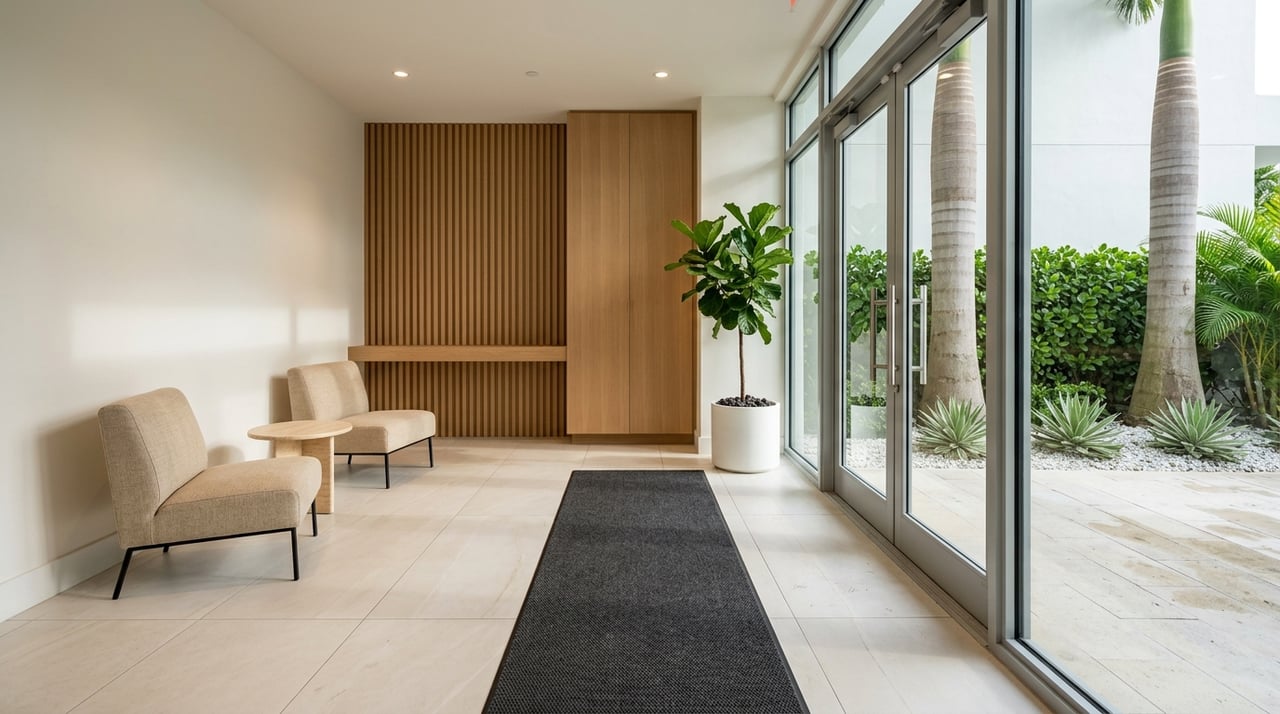
Palm Beach Second-Home Living: Condo Or Single-Family Residence?
June 11, 2026
June 11, 2026
Wondering whether your Palm Beach second home should be a condo or a single-family residence? It is a smart question, especially in a market where convenience, privacy, insurance, and building rules can shape your experience long after closing. If you want a home that fits your lifestyle instead of creating surprises, the details matter. Let’s dive in.
For most seasonal buyers in Palm Beach, the real decision comes down to convenience versus control. A condo often offers a more lock-and-leave setup because the association handles many shared property responsibilities. A single-family home usually gives you more direct control over the property, but that also means more hands-on ownership.
Neither option is automatically better. The right fit depends on how often you will use the home, how much upkeep you want to manage, and how comfortable you are with shared rules, fees, and documentation.
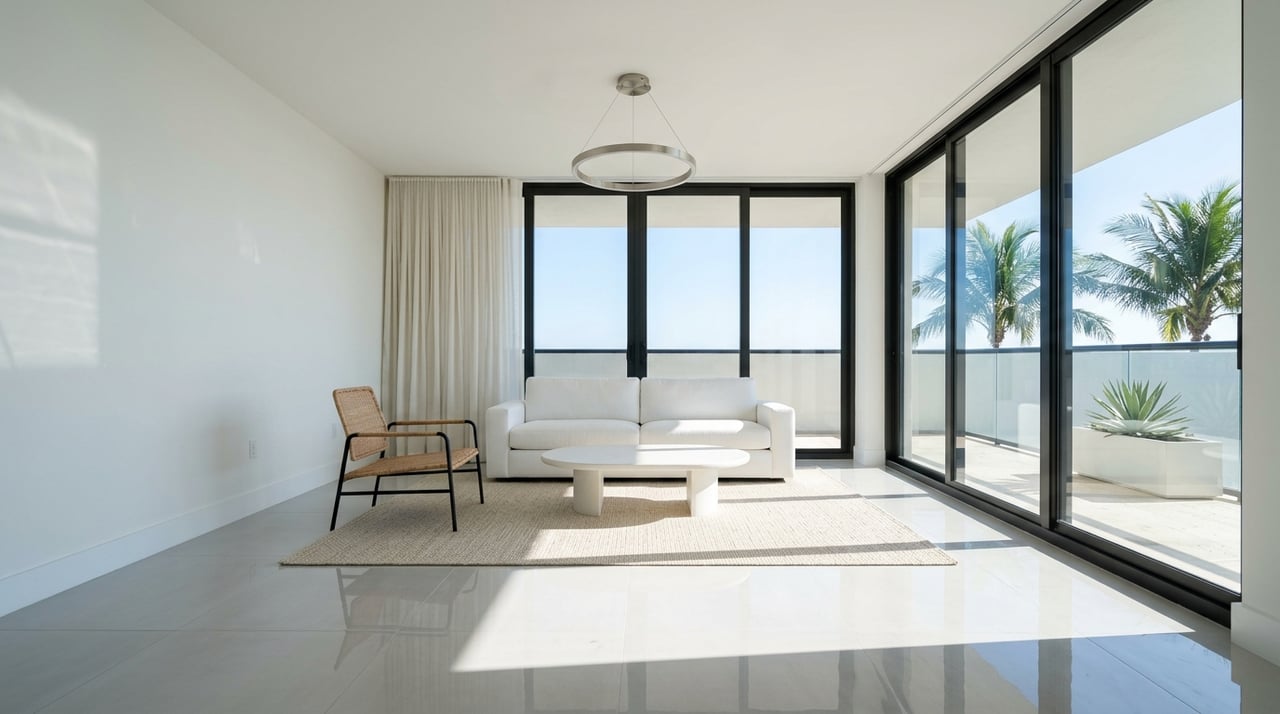
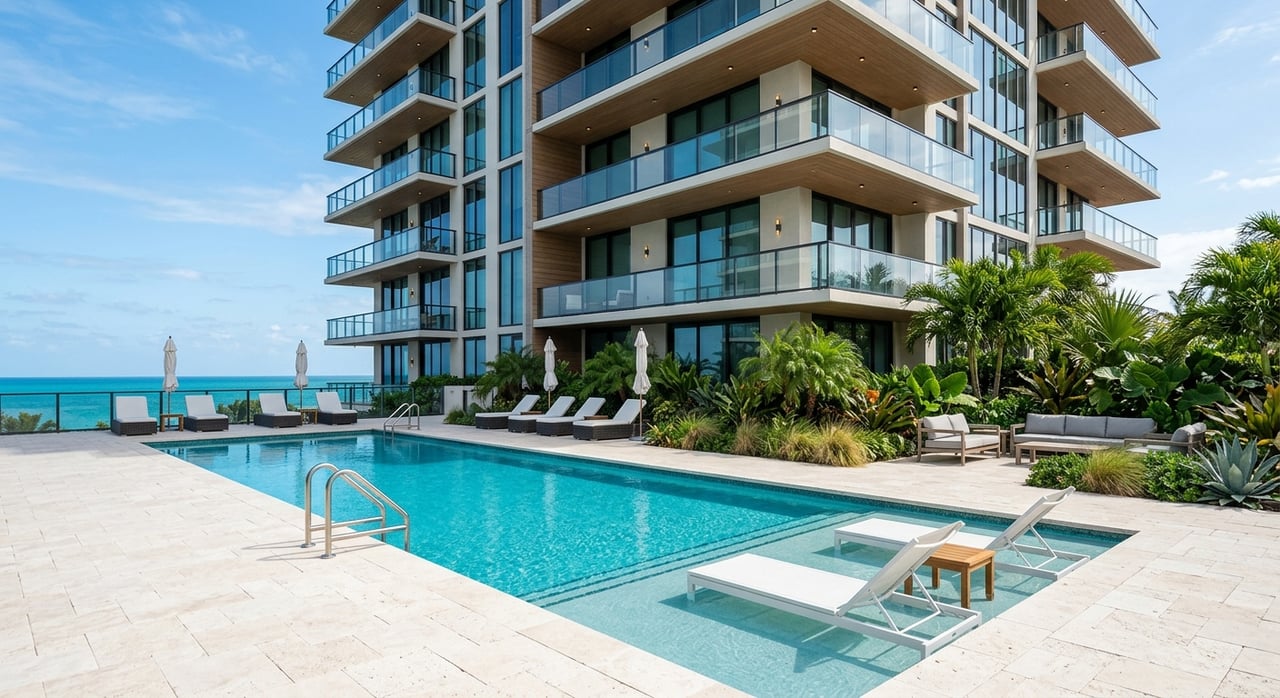
A condo can be appealing if you want a simpler seasonal routine. Under Florida condominium law, you have exclusive possession of your unit, while the association is generally responsible for maintaining common elements unless the declaration assigns certain limited common-element maintenance to the owner. For many second-home buyers, that structure can reduce the amount of direct property management.
That matters if you split time between Palm Beach and another home. When you are away, it can be reassuring to know that shared systems and common areas are being managed by the association rather than by you alone.
If your goal is easy arrivals and easy departures, a condo may check more boxes. Shared maintenance can make seasonal ownership feel more streamlined, especially if you do not want to coordinate as many vendors or monitor exterior issues from a distance.
This setup often suits buyers who value a low-touch winter home. It can also appeal to those who want shared amenities and less responsibility for the broader property.
In Florida, condo ownership has become more document-heavy in recent years. The Florida Department of Business and Professional Regulation says four condo-related laws have been enacted since 2022 with goals tied to safety, accountability, transparency, and education.
For you, that means a condo purchase should include a careful review of association records. Florida law gives buyers access to documents such as the declaration, bylaws, rules, annual financial statement, annual budget, and, when applicable, the most recent milestone inspection summary and structural integrity reserve study, or a statement that the study has not been completed.
Florida law requires condo association budgets to include reserves for capital expenditures and deferred maintenance. That is an important protection, but it also means you should understand how well-funded the association is and what major expenses may be coming.
You should also know that condo ownership can include exposure to fee increases and special assessments. Florida guidance notes that associations may assess unit owners for damage to commonly owned areas that is not covered by the association’s policy or when reserves are not enough to pay the cost.
Condo insurance is layered. Florida law requires the association to maintain adequate property insurance for association property and common elements, while an HO-6 policy generally covers your personal property, certain interior building items not covered by the master policy, personal liability, and at least $2,000 of loss-assessment coverage.
In plain terms, you are not only evaluating the unit itself. You are also relying on the association’s insurance program and overall financial health.
In Palm Beach, building age and inspection status deserve close attention. The Town of Palm Beach says milestone inspections are due when a condo or cooperative building reaches 30 years old and every 10 years after that.
The town also states that a phase 1 inspection must be completed within 180 days of notice. If substantial structural deterioration is found, phase 2 repairs must begin within 365 days after the town building official receives the report. For seasonal buyers looking at older waterfront or near-water buildings, these timelines should be part of your review.
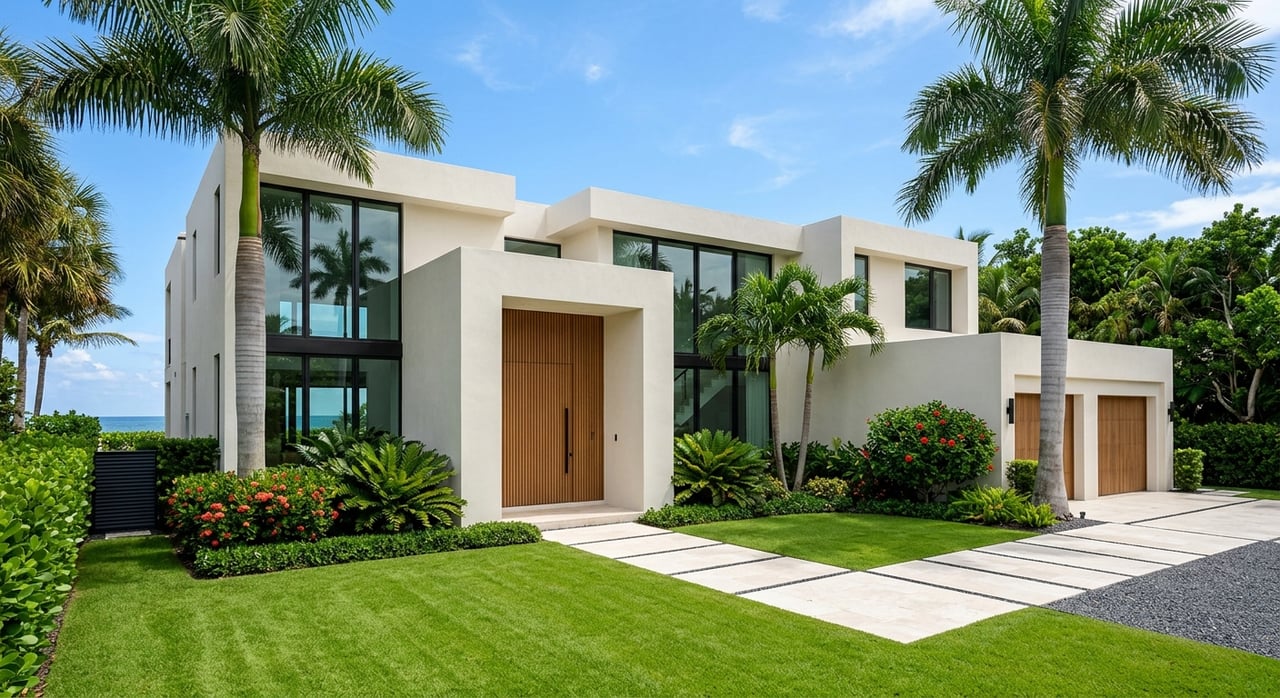
A single-family home usually appeals to buyers who want more privacy and more autonomy over the property. You are not part of a condo association structure in the same way, so there are fewer shared-governance layers affecting day-to-day ownership.
That freedom comes with added responsibility. In most cases, you are managing more of the upkeep, insurance coordination, and property risk directly.
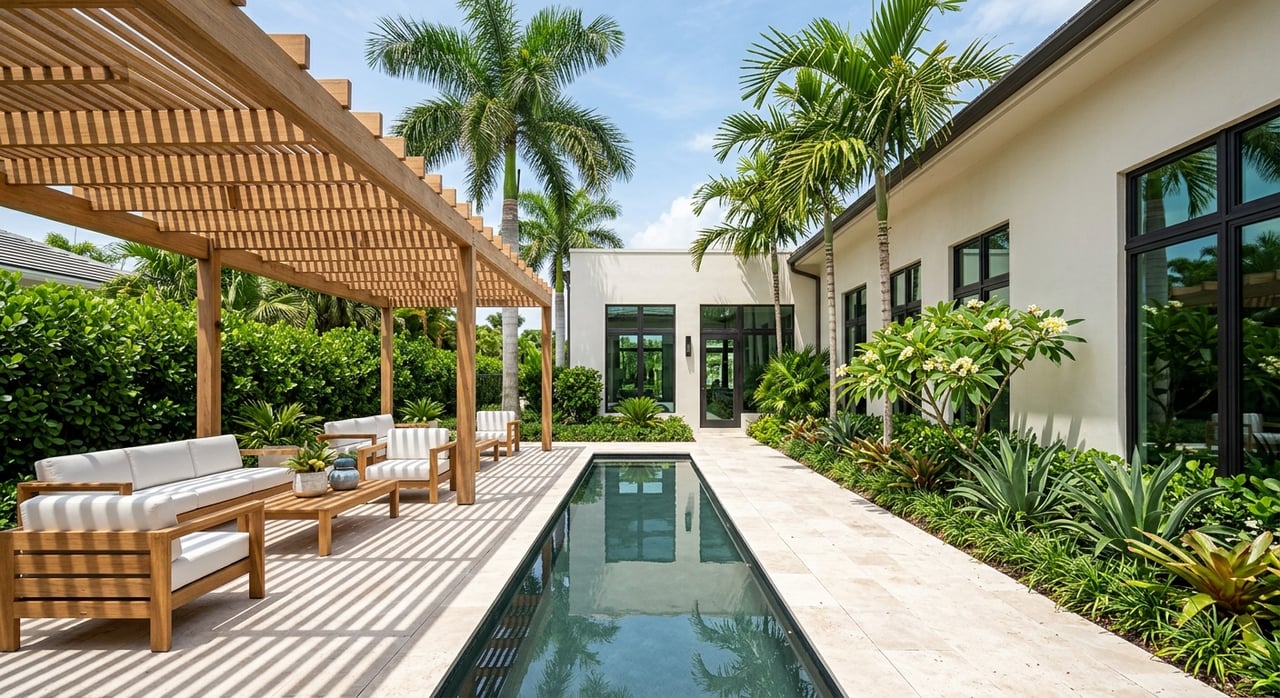
If you enjoy having direct say over your site, exterior spaces, and home systems, a single-family residence may feel more natural. This can be especially attractive if outdoor living, landscaping, or a private pool area is part of your Palm Beach vision.
Still, detached ownership is rarely passive. You will likely need a stronger plan for maintenance, storm preparation, and property oversight when you are not in town.
Florida’s homeowners’ insurance toolkit describes the standard package for owner-occupied single-family homes as including the dwelling, unattached structures, personal property, liability, and medical payments. That broader policy structure reflects the fact that the owner is responsible for more of the property.
Timing also matters in Florida. The state insurance toolkit says new or additional coverage cannot be obtained once a tropical storm or hurricane watch or warning has been issued anywhere in Florida. If you are buying near the late summer or early fall season, that timing can affect your planning.
Choosing a single-family home does not mean fewer rules across the board. In the Town of Palm Beach, the Planning, Zoning, and Building Department manages construction-related permitting and provides staff support to the Architectural and Landmark Preservation Commissions.
That means exterior changes and renovations may still require approvals and careful scheduling. If you are buying with plans to update the home, understanding that review environment early can save time and frustration.
Whether you buy a condo or a single-family residence, flood risk should be part of your decision. Palm Beach County says the area averages more than 60 inches of rain and more than 130 rain days per year, and county officials state that virtually the whole county has proven susceptible to short-term localized flooding.
The county also notes that flood-prone areas are widely scattered. That is why two homes in the same general market can have very different flood considerations.
Palm Beach County directs property owners to FEMA flood-risk tools, and FEMA says its Flood Map Service Center is the official source for National Flood Insurance Program flood-hazard information. Properties in Special Flood Hazard Areas may trigger lender-required flood insurance.
For you, this means flood mapping should be part of the purchase process before you finalize numbers or assumptions. It is a practical step that can affect ownership costs and comfort level.
Flood and drainage issues can feel especially important with a single-family home because the owner is responsible for more of the site itself. Palm Beach County explains that privately owned drainage systems are the responsibility of property owners and associations.
So while both condos and detached homes deserve careful review, a single-family purchase often requires a closer look at how the site handles water and who is responsible for maintaining those systems.
Second-home buyers in Palm Beach should also pay attention to tax treatment. Palm Beach County’s Property Appraiser says homestead exemption requires a permanent residence.
That matters because many seasonal homes do not qualify. The county glossary notes a 3% assessment cap for homesteaded property versus a 10% cap for non-homesteaded property such as second homes.
The Florida Department of Revenue also explains that homestead is tied to a permanent residence and can reduce taxable value by as much as $50,000. If this Palm Beach property will be a second home rather than your permanent residence, your tax assumptions should reflect that distinction.
Before you decide between a condo and a single-family residence, it helps to get honest about how you plan to live in the home. The right choice is usually the one that fits your real habits, not your idealized version of seasonal ownership.
Ask yourself:
If your top priority is a low-maintenance seasonal base, a condo will often make more sense. The association structure, shared maintenance responsibilities, and lock-and-leave feel can suit buyers who want Palm Beach living with fewer hands-on demands.
If your priority is privacy, outdoor control, and direct ownership, a single-family residence may be the better fit. You will likely take on more responsibility, but you may gain a stronger sense of autonomy and a property experience that feels more personal.
In Palm Beach, the best decision usually comes from matching your lifestyle with the realities of ownership. That includes association documents, inspection history, insurance timing, flood exposure, tax treatment, and any renovation plans you may have.
A thoughtful second-home purchase should feel refined, not rushed. If you want tailored guidance on Palm Beach condos, single-family homes, or the tradeoffs between them, Your Luxury Listing Group is here to help you navigate the details with clarity and discretion.
Matthew Bachrad and Danielle Stern joined forces to create a powerful dual partnership. This partnership not only combines their expertise in the field, but also delivers prestigious client servicing. Both from several generations in the real estate industry.